
Common Problems in Commercial Asphalt Pavements and Their Solutions in Delray and Surrounding Areas
Commercial asphalt pavements are widely used for parking lots, driveways, and access roads because they are durable, cost-effective, and quick to install. However, heavy traffic, weather exposure, and aging can cause different types of pavement damage over time. Businesses in warm climates like South Florida often face additional challenges such as heat, moisture, and frequent vehicle use. Understanding common asphalt pavement problems and their solutions helps property owners maintain safe and long-lasting surfaces.
What are the most common problems in commercial asphalt pavements?
Commercial asphalt pavements can develop several issues as they age. The most common problems include cracks, potholes, drainage issues, fading surfaces, and rutting caused by heavy traffic. These issues can weaken the pavement structure and affect the appearance of a property. Early detection and timely repairs are essential to prevent further damage and costly replacements.
Why do cracks form in asphalt pavement?
Cracks are one of the earliest signs of asphalt deterioration. They often occur due to temperature changes, moisture infiltration, and repeated vehicle pressure. Over time, the asphalt surface expands and contracts, which causes small fractures to appear. If left untreated, these cracks allow water to penetrate the pavement and damage the underlying base.
How can asphalt cracks be repaired effectively?
Crack sealing is one of the most effective solutions for preventing further pavement damage. Contractors fill cracks with specialized sealant that blocks water from entering the pavement layers. This process extends the lifespan of the asphalt surface and prevents small cracks from developing into larger structural issues.
What causes potholes in commercial asphalt surfaces?
Potholes form when water enters cracks in the pavement and weakens the base layers underneath. As vehicles drive over these weakened areas, the asphalt breaks apart and creates holes. Potholes are not only unsightly but can also damage vehicles and create safety hazards for drivers and pedestrians.
What is the best solution for pothole repair?
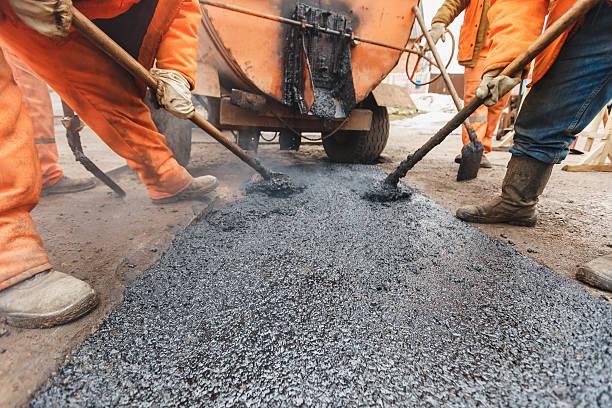
Pothole patching is the most common repair method for damaged asphalt areas. Contractors remove the loose material, clean the hole, and fill it with new asphalt mixture. In some cases, a full-depth patch may be required if the underlying base is severely damaged. Prompt repairs prevent potholes from expanding.
Why does asphalt pavement fade or lose its color?
Over time, asphalt surfaces may appear gray or faded instead of deep black. This happens because sunlight and oxygen break down the asphalt binder, a process known as oxidation. While fading does not immediately affect pavement strength, it indicates that the surface is aging and becoming more vulnerable to cracks.
How does sealcoating help protect asphalt pavements?
Sealcoating is a preventive maintenance treatment that adds a protective layer to the asphalt surface. This coating shields the pavement from UV rays, water penetration, and chemical spills. Applying sealcoat every few years helps restore the dark color of asphalt and extend its overall lifespan.
What causes rutting in commercial asphalt parking lots?
Rutting occurs when heavy vehicles repeatedly drive over the same path, creating grooves or depressions in the pavement. This problem often develops when the asphalt layer is too thin or the base was not properly prepared during installation. Over time, these grooves can trap water and worsen pavement deterioration.
How can drainage problems damage asphalt pavement?
Poor drainage allows water to accumulate on or beneath the asphalt surface. Standing water weakens the base layer and accelerates cracking and pothole formation. Proper drainage design, grading, and regular maintenance are necessary to protect asphalt surfaces from water-related damage.
When should businesses consider asphalt resurfacing?
Resurfacing becomes necessary when the pavement has widespread cracks, fading, or surface wear but still has a stable base. This process involves applying a new asphalt layer over the existing surface. Resurfacing improves appearance, restores smoothness, and extends the pavement’s lifespan without full replacement.
Final Thought
Commercial asphalt pavements experience various forms of wear and damage due to traffic, weather, and aging. Addressing issues such as cracks, potholes, fading, and drainage problems early can prevent major structural damage and costly repairs. With regular inspections and proper maintenance techniques like crack sealing, sealcoating, and resurfacing, businesses can keep their asphalt pavements safe, functional, and visually appealing for many years.
How often should commercial asphalt parking lots be inspected?
Commercial asphalt surfaces should be inspected at least once or twice per year to identify early signs of damage.
What is the lifespan of a commercial asphalt pavement?
With proper maintenance, commercial asphalt pavement can last 15 to 25 years.
Is sealcoating necessary for asphalt surfaces?
Sealcoating is not mandatory but is highly recommended because it protects asphalt from weather and chemical damage.
Can small asphalt cracks become serious problems?
Yes, small cracks can allow water infiltration, which eventually leads to larger cracks and potholes.
What is the difference between resurfacing and replacement?
Resurfacing adds a new asphalt layer over the existing pavement, while replacement involves removing and rebuilding the entire structure.